
One of Our 15 Towns · TX
Pallet racking in Texas City, TX.
New and used rack, layout, permit help, installation, inspection and repair for warehouses in and around Texas City, planned around the local rules and the building you have.
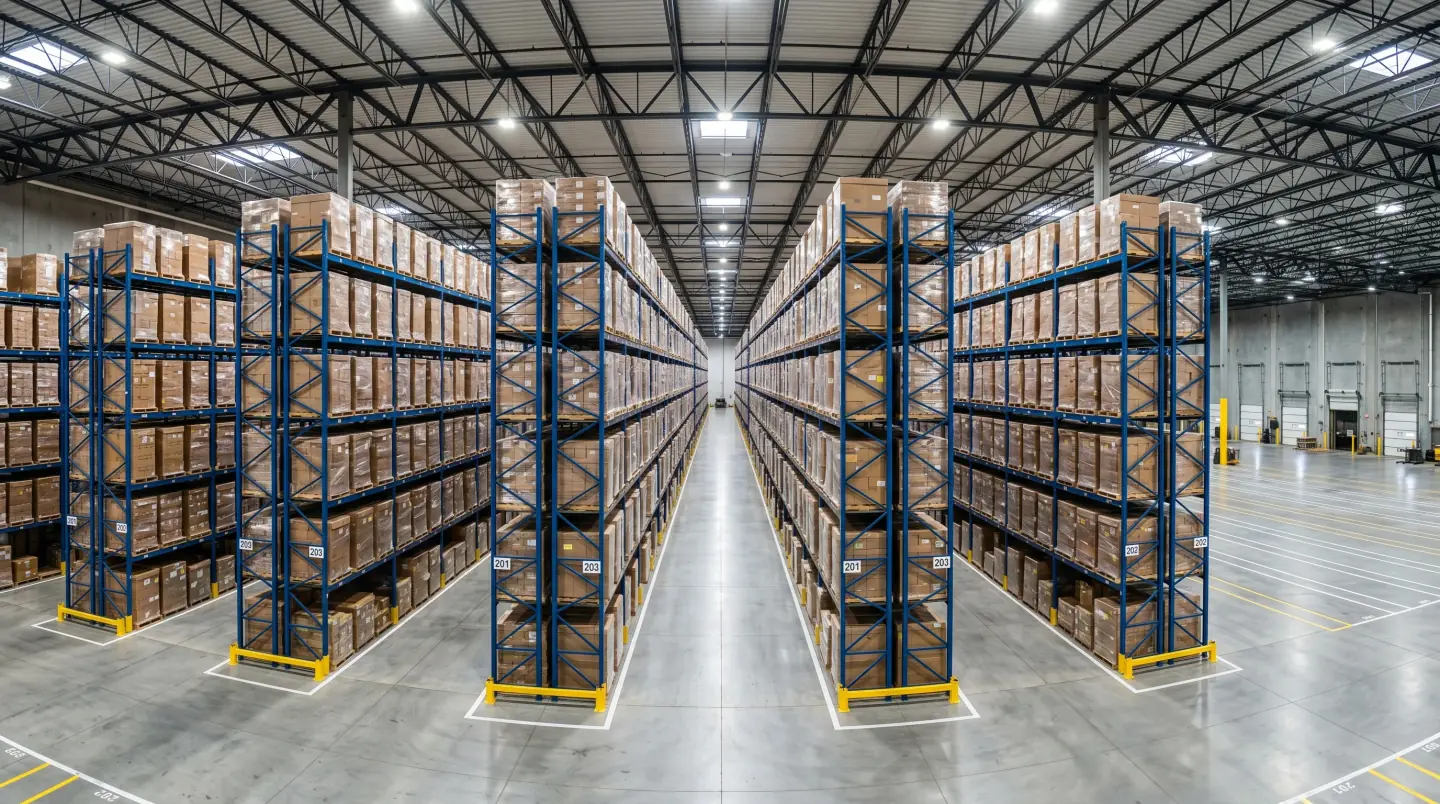
Working in Texas City, TX and the towns next door. Asking for a quote costs nothing.
The work
Rack Services for Texas City
Every service we offer is on the table in Texas City: layout, stamped engineering and permit support, installation, inspection and repair, relocation, and buying or selling used rack. Open a card for the full rundown.
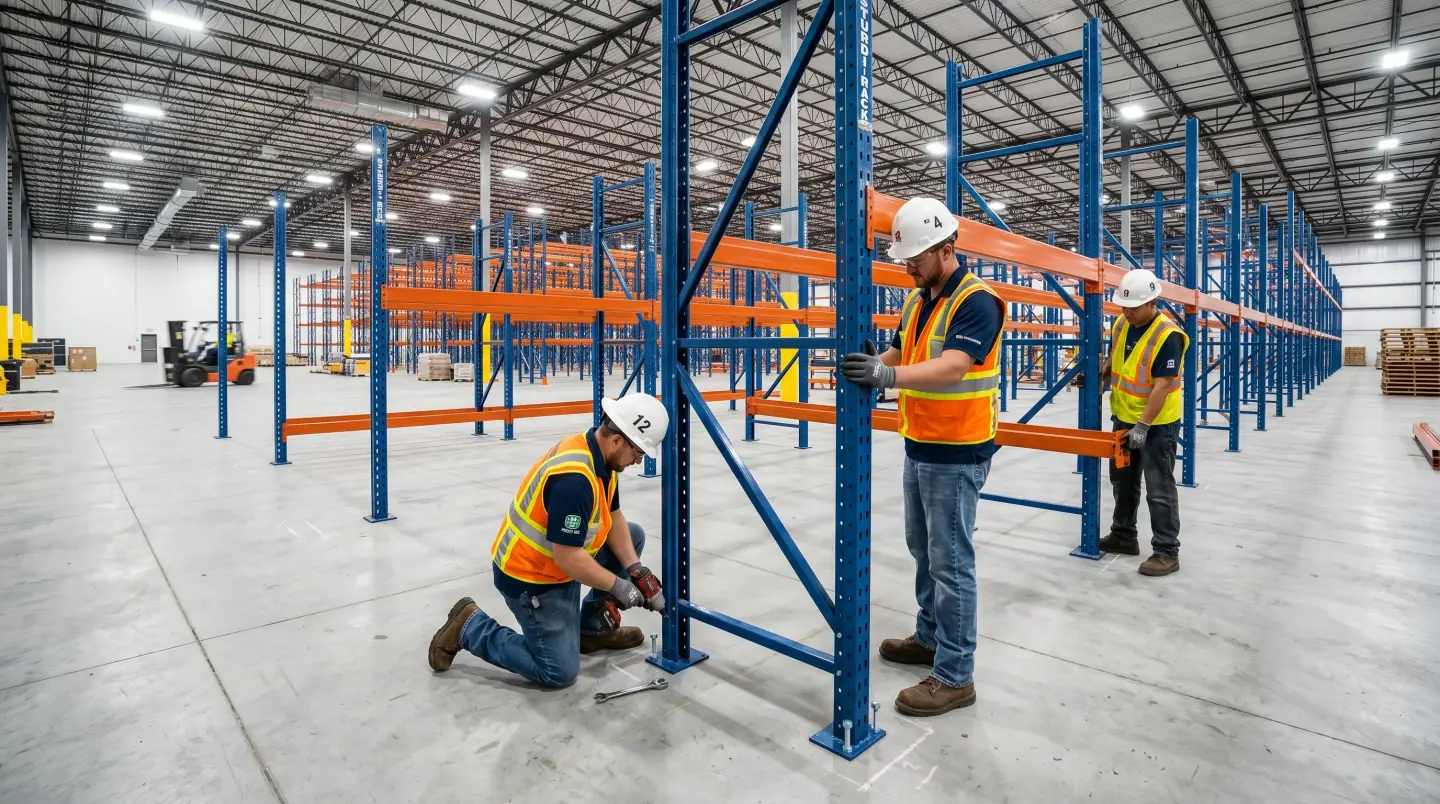
Pallet Racking Installation
Our crew in Texas City plans, permits and installs warehouse racking for operations in Sugar Land, Missouri City, Richmond, Fulshear, The Woodlands, Magnolia, Channelview, Mont Belvieu, League City, Webster, Texas City, Galveston and the rest of our Southeast Texas footprint.
Details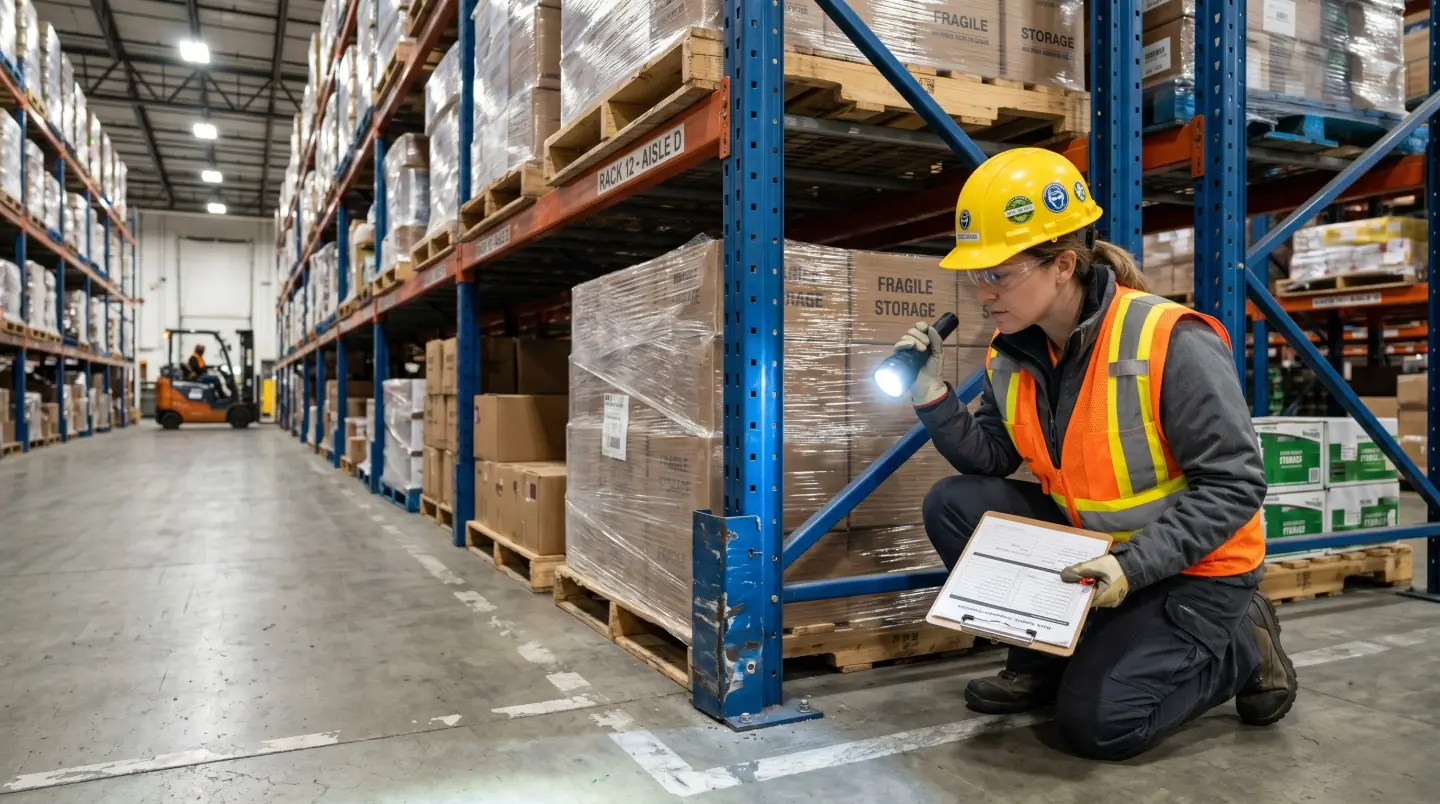
Rack Inspection & Repair
Our crew in Texas City inspects and repairs warehouse racking in our fifteen Houston-metro towns.
Details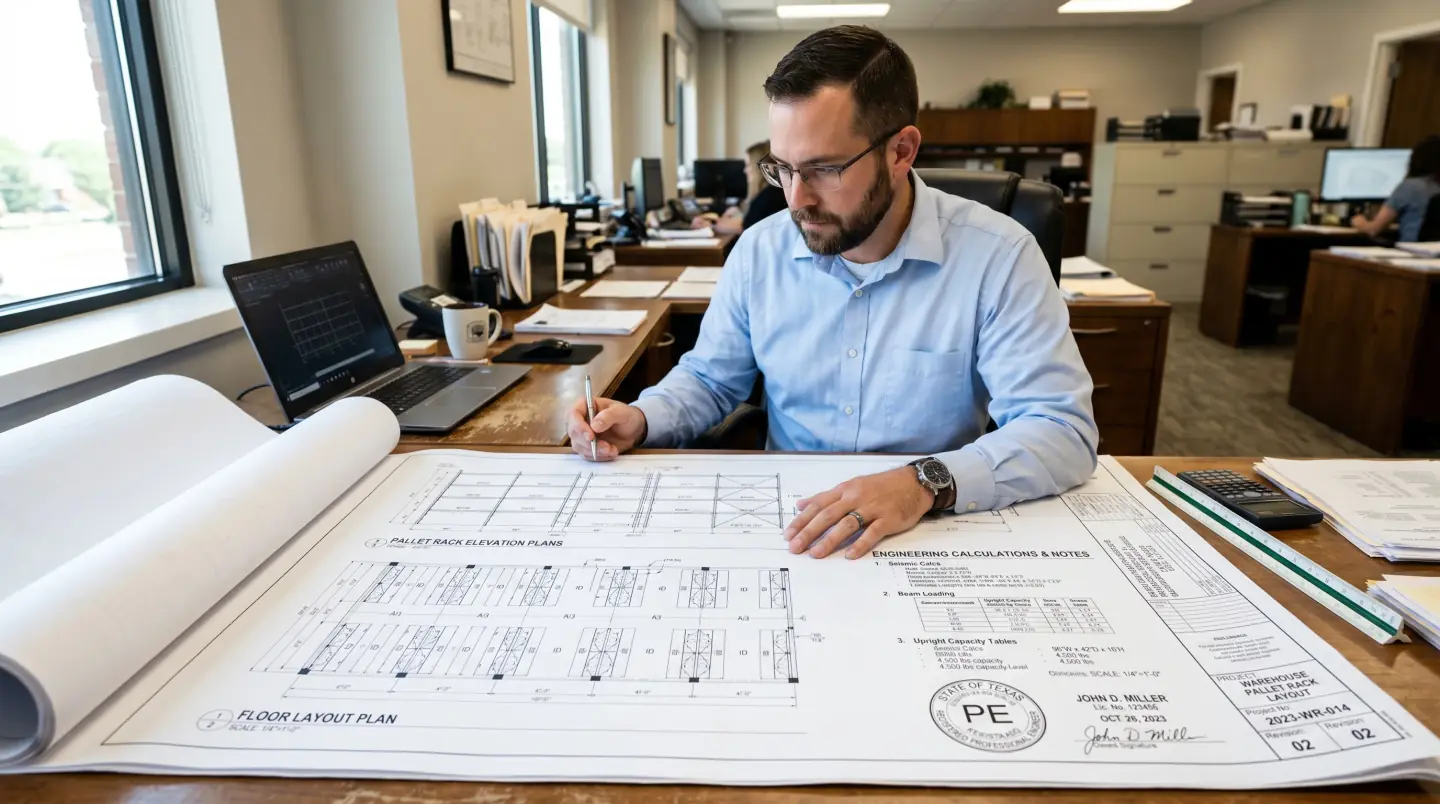
Engineering & Permitting
Our crew in Texas City prepares the engineering and carries the permit for rack projects across our Houston-metro towns.
Details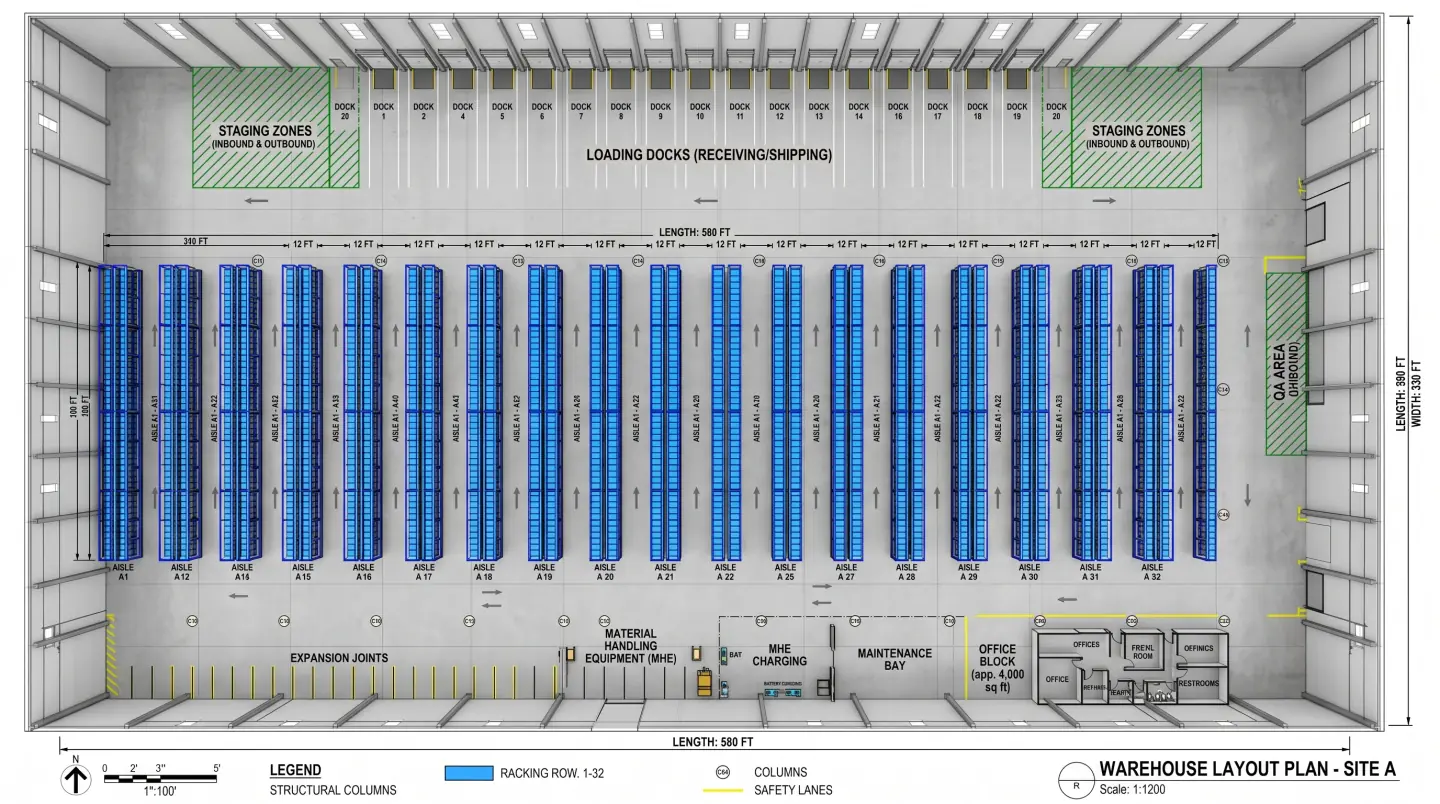
Warehouse Design & Space Planning
Our crew in Texas City plans warehouse layouts for businesses across our Houston-metro towns.
Details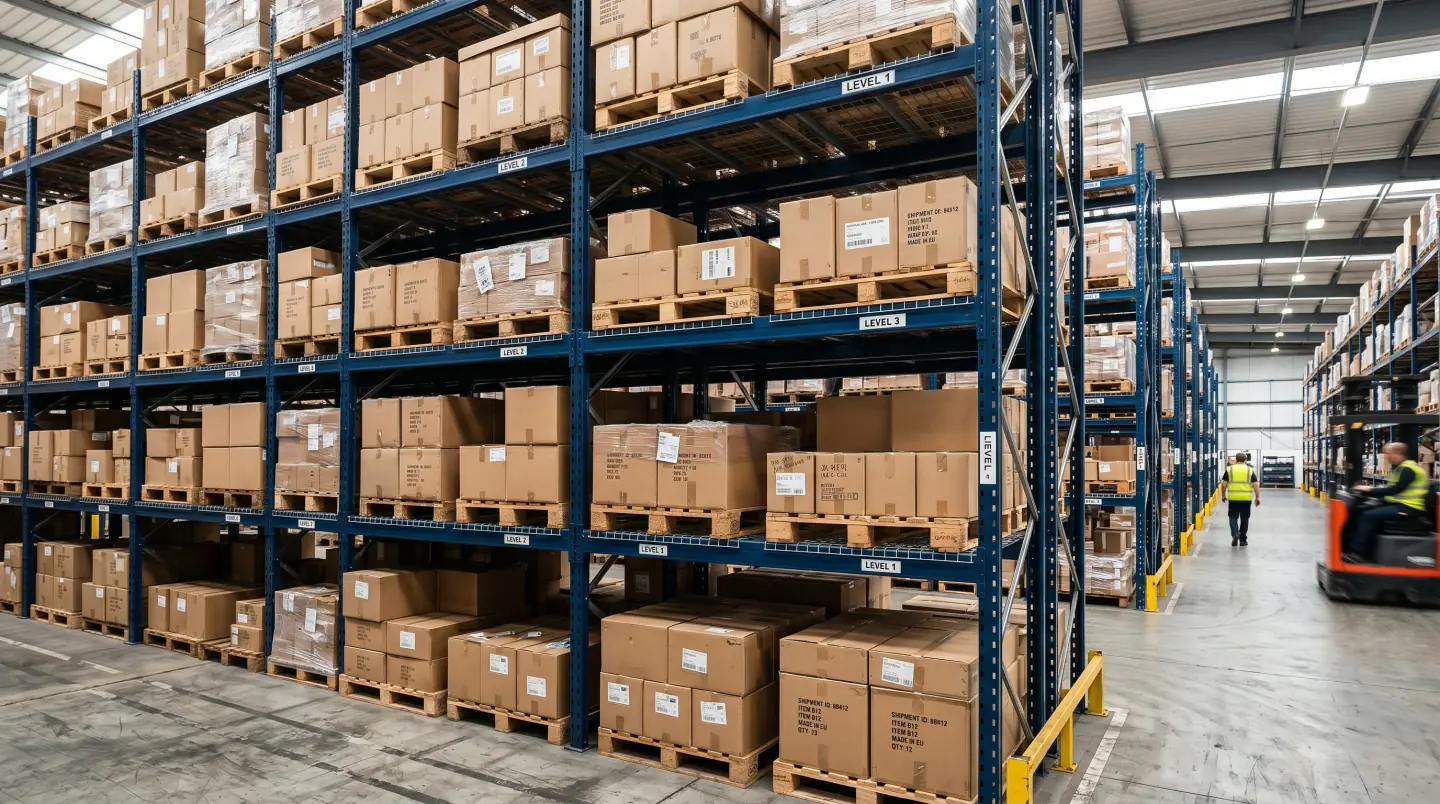
Used Rack Buyback
Our crew in Texas City buys used and surplus pallet racking from businesses that are closing, moving, shrinking or upgrading across Fort Bend, Brazoria, Montgomery, Harris, Chambers and Galveston counties.
Details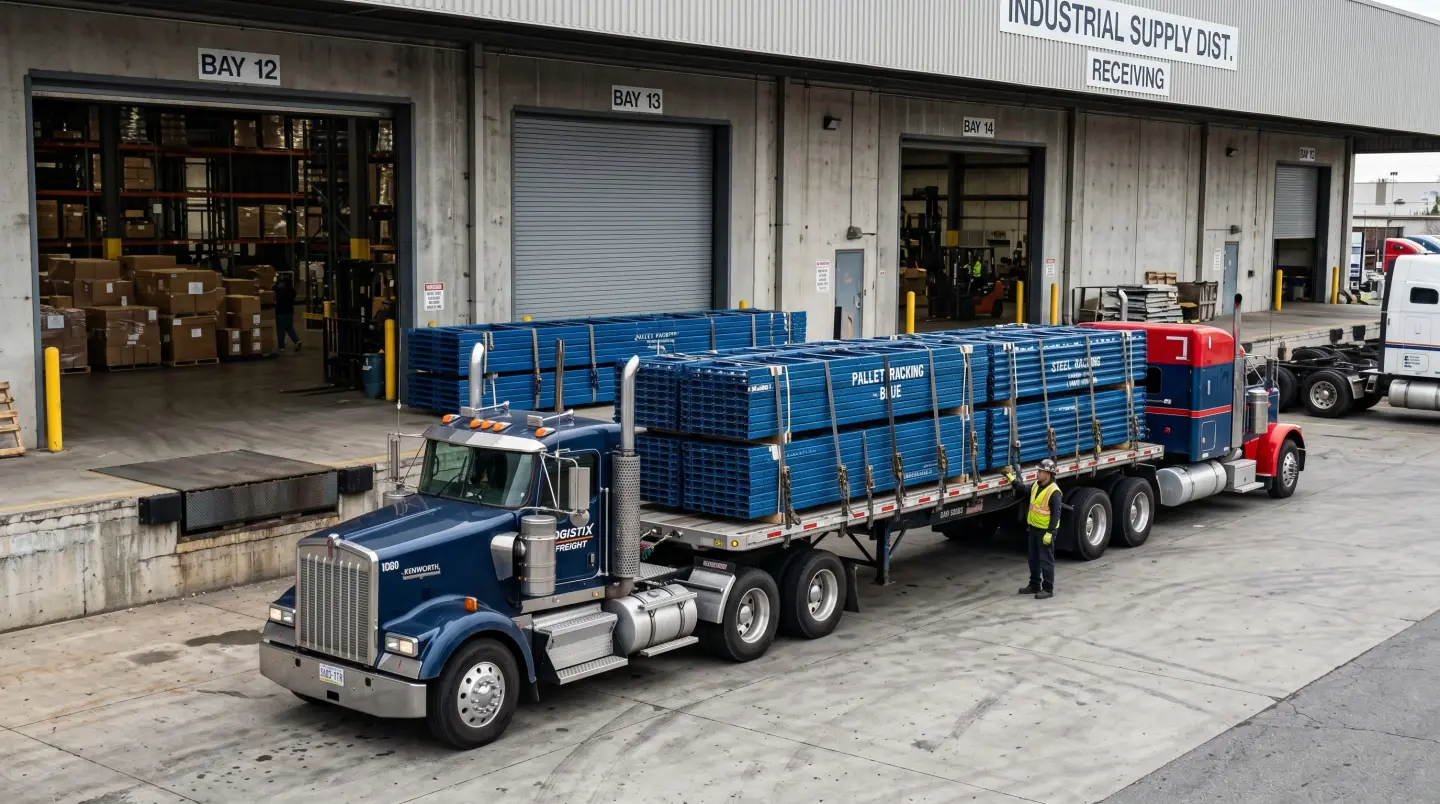
Delivery & Relocation
Our crew in Texas City delivers rack components and moves complete systems between buildings across our Houston-metro towns.
Details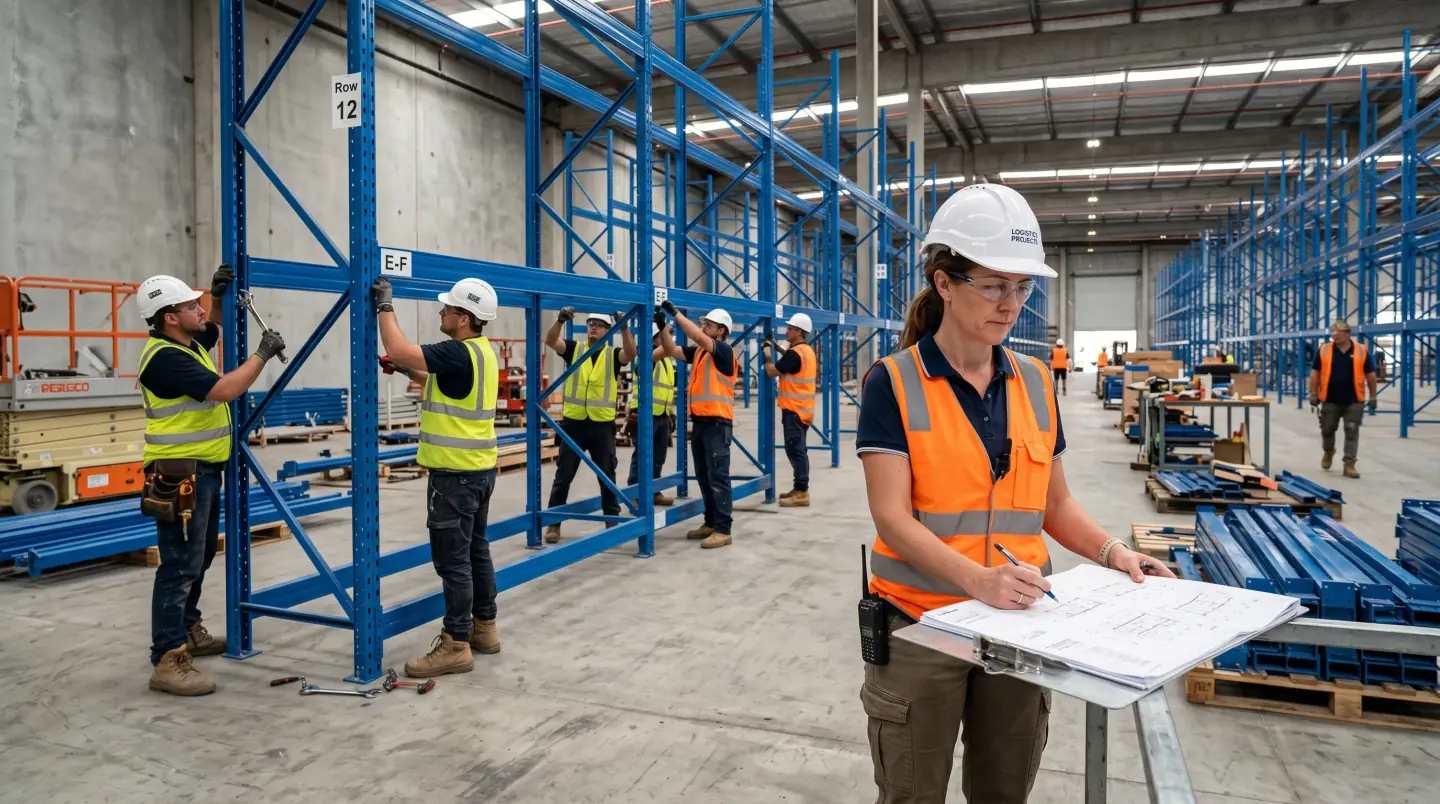
Project & Installation Management
Our crew in Texas City runs rack projects from start to finish for warehouses across our Houston-metro towns.
Details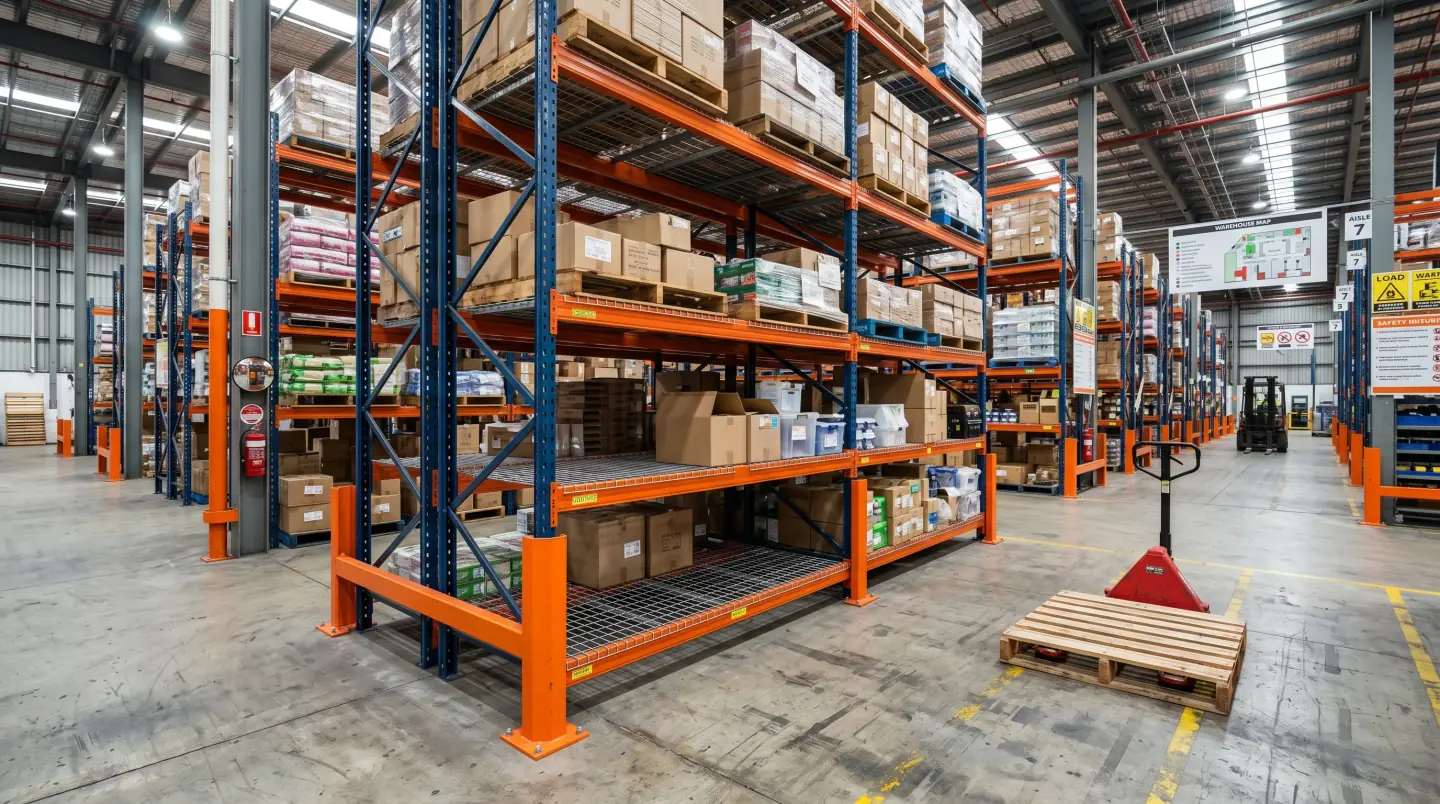
Material Handling Equipment
Racking works best with the right equipment around it.
DetailsThe steel
Rack and Storage in Texas City
New or used, trucked to your Texas City dock and put up by our crew. H-Town Pallet Racking is a brand of Alliance Material Handling, in the business since 1955.
Pallet Racking & Shelving
H-Town Pallet Racking, a brand of Alliance Material Handling, puts storage steel into warehouses, plants and distribution buildings across the Houston metro, from Fort Bend County out to Galveston Bay and up to The Woodlands.
See It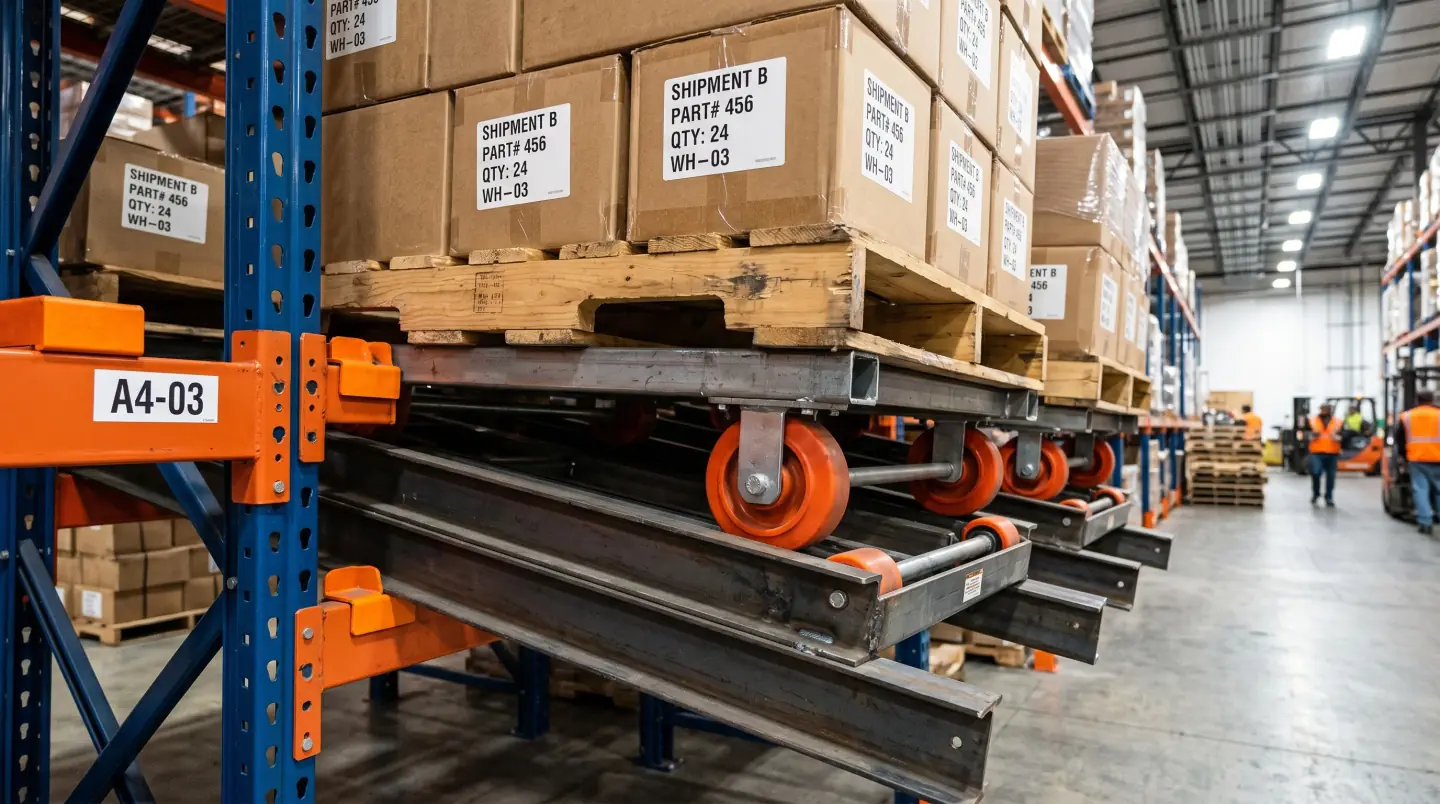
Pushback Rack
In a pushback lane, each new pallet shoves the one before it rearward on a set of nested carts that ride sloped rails.
See It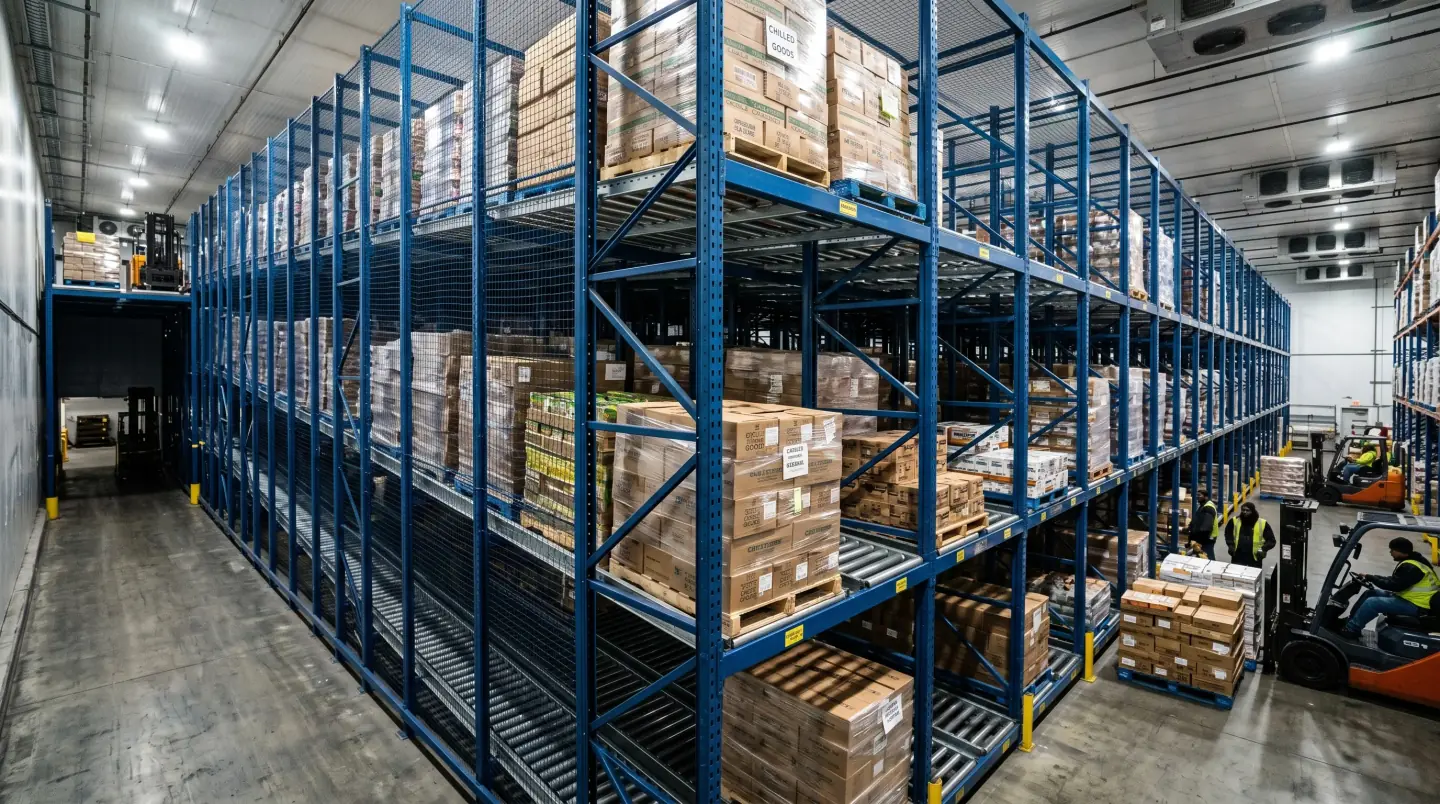
Pallet Flow Rack
Pallet flow lanes are fed from the rear.
See It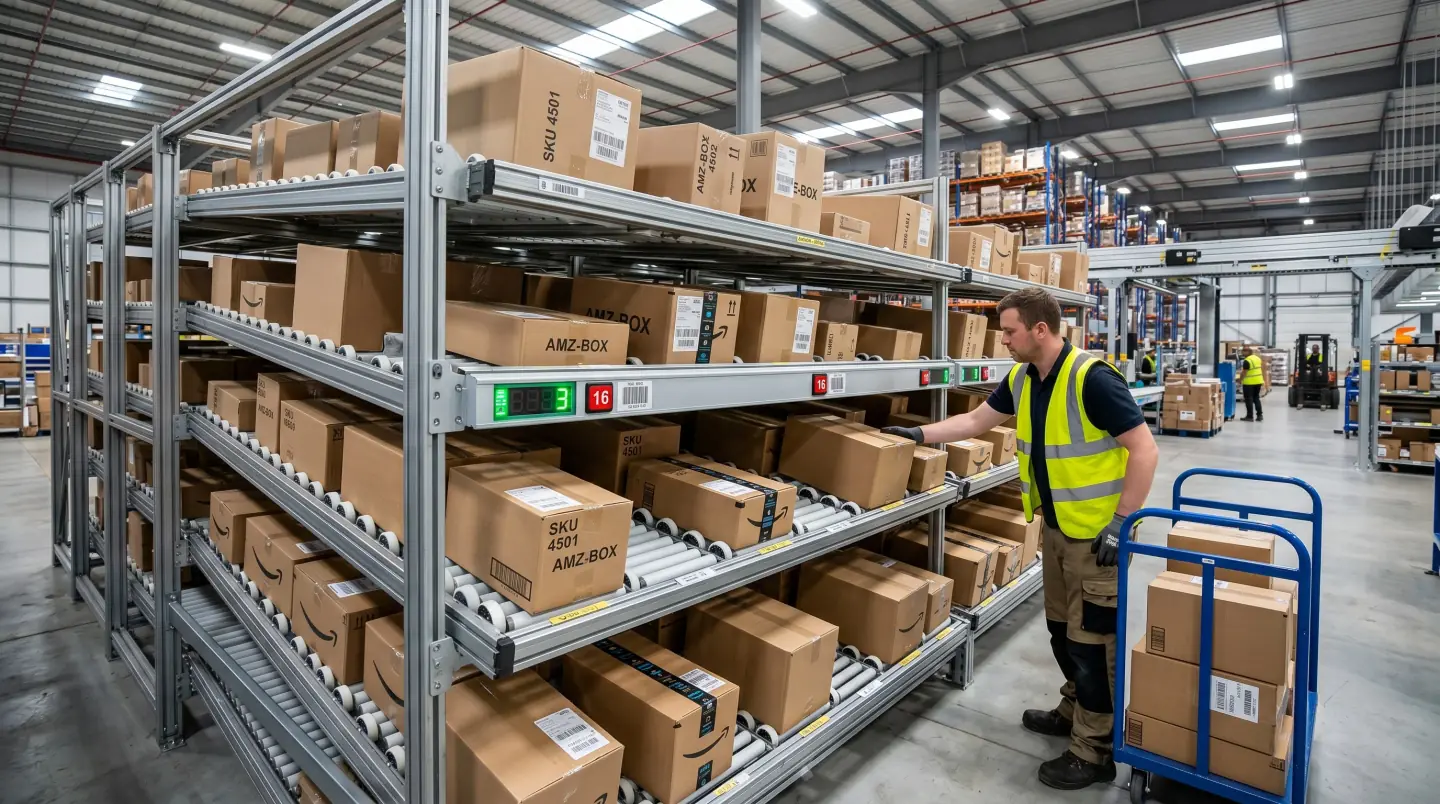
Carton Flow Rack
Carton flow is built for people picking cases, totes and eaches rather than trucks moving whole pallets.
See It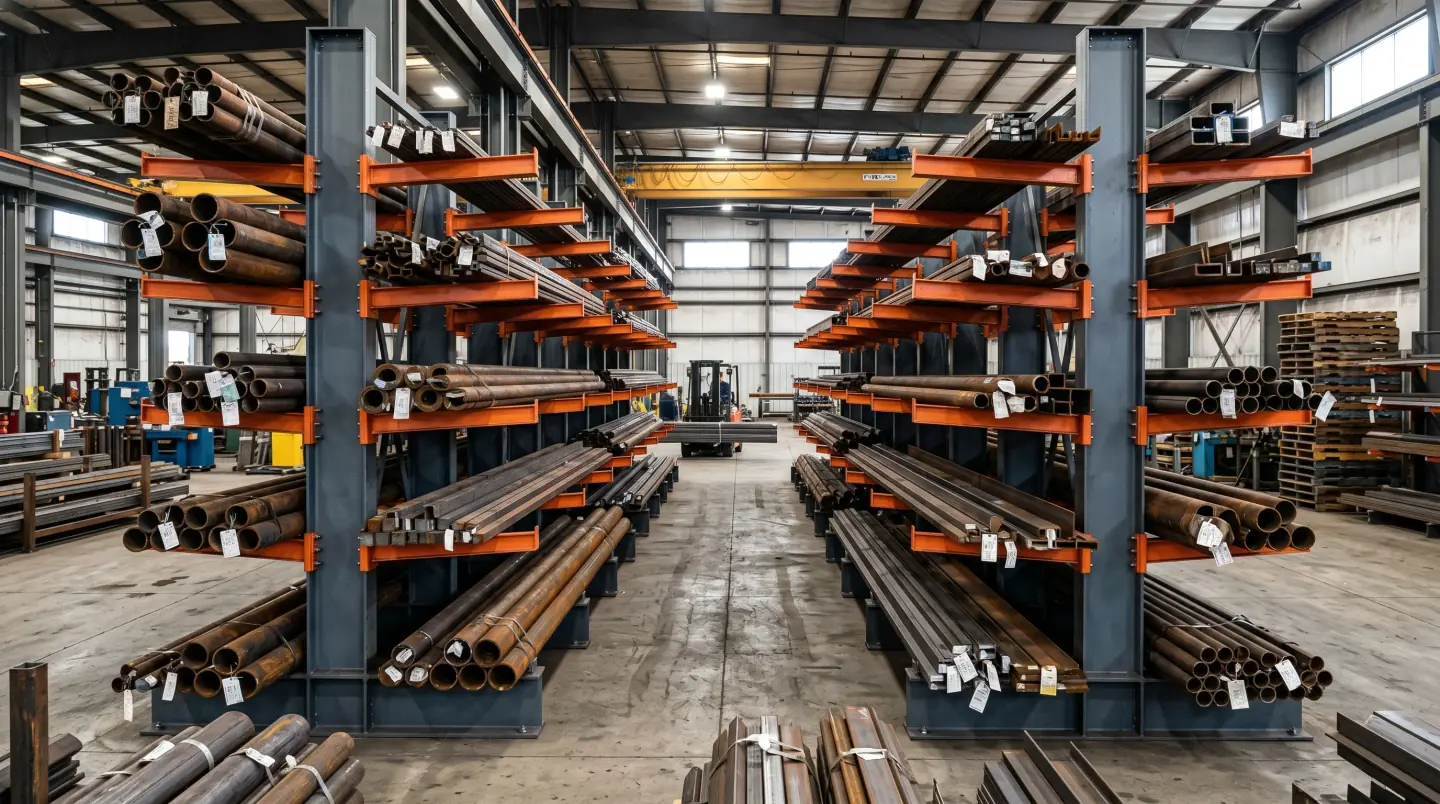
Cantilever Rack
Some material simply does not fit on a pallet: pipe, tube, lumber, bar stock, rolled goods and long fabrications.
See It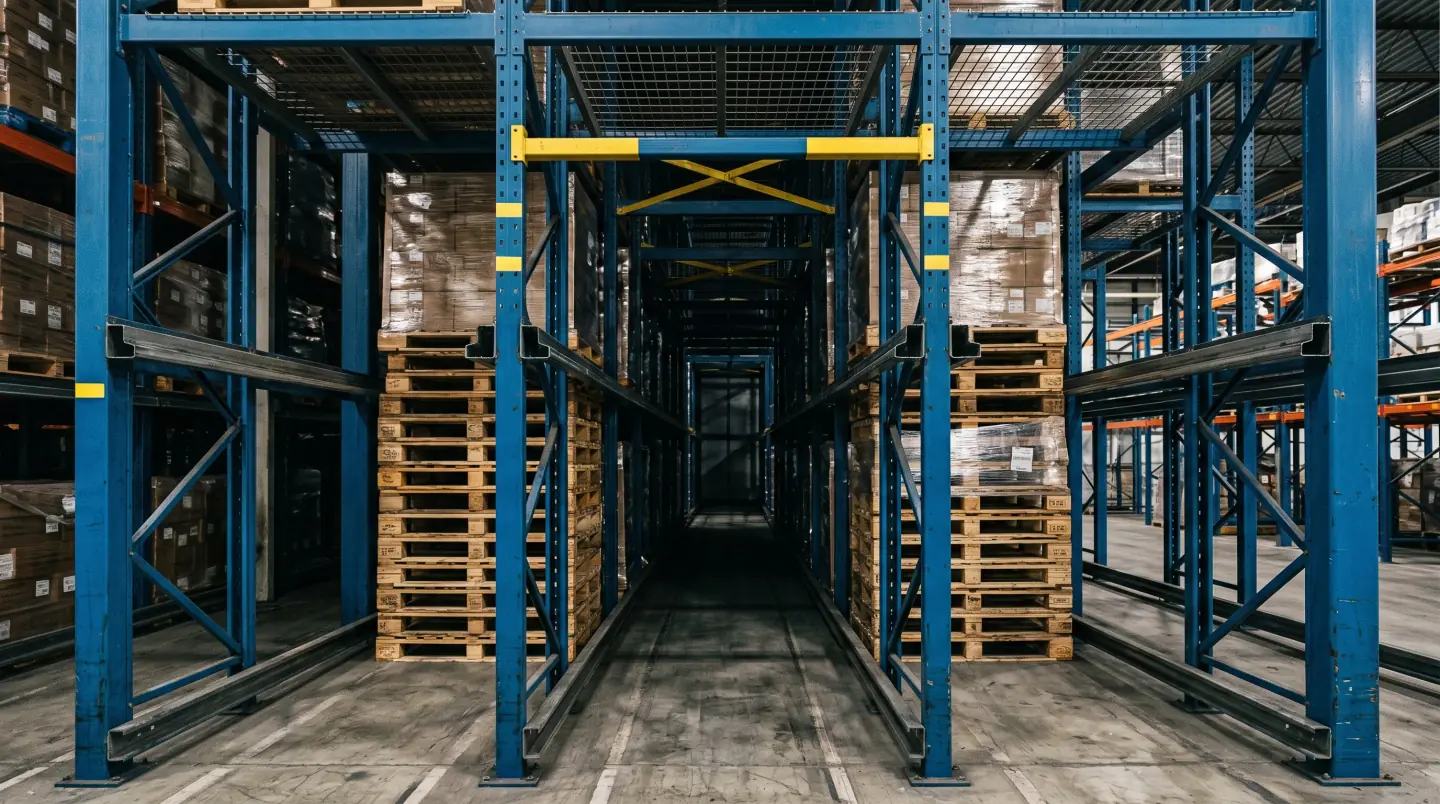
Drive-In Pallet Rack
Short of an automated system, nothing packs pallets tighter than drive-in rack.
See ItBeyond Rack
Conveyor, mezzanines, lift tables, modular offices and wire partitions for Texas City buildings.
All Other EquipmentThe local picture
Texas City: the quick version
Who signs off
- Clear height runs about 18–26 ft clear in the older buildings and 24–30 ft clear in the new ones.
- Most of the rack we see here holds goods for petroleum refining and petrochemical production support, port and bulk cargo services, turnaround and maintenance contracting, and chemical packaging.
- In the older stock (plant-support warehouses and port-side buildings around the refinery and chemical complex, with irregular bays and undocumented slabs (18–26 ft clear)) we confirm how thick the slab is and what reinforcement it has before we pick an anchor.
- The newer newer contractor, MRO and industrial warehouse space along the SH-146 and FM 1765 corridors (24–30 ft clear) are often post-tensioned, so the tendons get located before anyone drills.
- We file with the building office and Texas City Fire Department Fire Prevention Bureau together, so neither review waits on the other.
On the ground
Racking a building in Texas City, TX
Texas City sits on the southwest shore of Galveston Bay, and its storage needs start with the plants. The Marathon Galveston Bay Refinery, one of the largest refineries in the country, anchors an industrial complex that also includes petrochemical operators such as Valero, Dow, INEOS and Eastman, and the Port of Texas City handles crude and refined products, petroleum coke and dry bulk across dozens of berths. The city had 51,898 residents at the 2020 census and is the third-largest in Galveston County. Much of it sits behind the Texas City Hurricane Flood Protection Project, a system of about 22 miles of levee and floodwall finished in 1987 around Texas City, La Marque and the plants. During Hurricane Ike in 2008 it held back the surge while the port outside it took millions of dollars in damage. For racking, that means two very different sites: warehouses inside the levee and dock-side buildings outside it. The work itself is maintenance, repair and operations stores for turnarounds, valve and fitting storage, drum and tote racking, and contractor laydown. Commercial permits run through the City of Texas City Building Department, and plans go to the fire department's Fire Prevention Bureau for fire-code review.
Texas City Storage: Plant Support, Port Buildings and Contractor Yards
Most racking in Texas City serves the refinery and chemical complex, directly or through the contractors and suppliers around it.
- Plant MRO and turnaround stores – valves, fittings, gaskets, pump parts and staged turnaround material. Default: selective rack with heavy decking for dense, uneven loads, cantilever for pipe, and clear bin and location labels so parts can be issued fast during an outage.
- Drum, tote and packaged chemical storage – Default: rack rated for the real weight of full drums and totes, with the commodity classified before the layout is drawn, because what is stored can drive fire-code requirements as much as the rack height does.
- Port-side and outside-the-levee buildings – open to salt air and exposed to surge. Default: galvanized or heavier-coated uprights and baseplates, anchors checked for corrosion at every inspection, and a plan for moving critical stock up and off the lowest beam level ahead of a storm.
Among the refinery and dock industry on the west shore of Galveston Bay, the permit file goes to the City of Texas City Building Department. Refinery-area stock is often heavy and chemical-adjacent, and bay air corrodes base plates quickly, so load, commodity and coating are all settled before layout.
Texas City, TXWE COME TO YOUR SITE
OPEN IN GOOGLE MAPS ↗Asked and answered
Questions from Texas City
1 Do I need a permit to install pallet racking in Texas City, TX?
For an engineered, anchored rack installation, plan on it. The City of Texas City Building Department reviews project plans, issues building permits and issues certificates of occupancy, and since September 1, 2024 it has required compliance with the 2024 International Code Council family of codes. Its permits are handled through an online system. Plans submitted for a building permit also go to the fire department's Fire Prevention Bureau, whose plans review section checks them against the fire code and NFPA standards. Stored chemicals, plastics and tall storage can all change what the fire side asks for. We prepare the drawings and handle the submittal.
2 Does storing chemicals in drums or totes change the racking design?
Yes, in two ways. Structurally, full drums and totes are heavy and put concentrated loads on beams and decking, so capacities have to be set for the real weights. On the fire side, the commodity can matter more than the rack itself: flammable or combustible liquids and many plastics fall under stricter fire-code rules than ordinary boxed goods. We get the commodity list and safety data sheets before we draw anything, so the layout does not have to be redone after fire review.
3 How do you protect pallet racking from salt air in Texas City?
Match the finish to the exposure. Racking inside a conditioned warehouse does fine with a standard powder-coat finish. Open-sided sheds, dock areas and buildings near the bay or port are different, and there we look at galvanized or heavier-coated components, stainless or coated anchors, and more frequent inspection of baseplates and the bottom of each upright, which is where rust usually starts. After a storm, rack that sat in salt water should be inspected before it carries a load again.
More reading
Guides worth a look in Texas City
Our Other Towns
The Rest of Our Map
The same crews and the same standards in all fifteen towns, from Fulshear to Galveston and Magnolia to Mont Belvieu.
Sugar Land TX
See this town →Missouri City TX
See this town →Richmond TX
See this town →Fulshear TX
See this town →Alvin TX
See this town →Freeport TX
See this town →The Woodlands TX
See this town →Magnolia TX
See this town →Channelview TX
See this town →Mont Belvieu TX
See this town →League City TX
See this town →Friendswood TX
See this town →Webster TX
See this town →Texas City TX
THIS PAGE