Rack System · Houston Area
Pallet Flow Rack for H-Town Warehouses
First-in, first-out gravity lanes up to 20 loads deep, loaded from one aisle and picked from another.
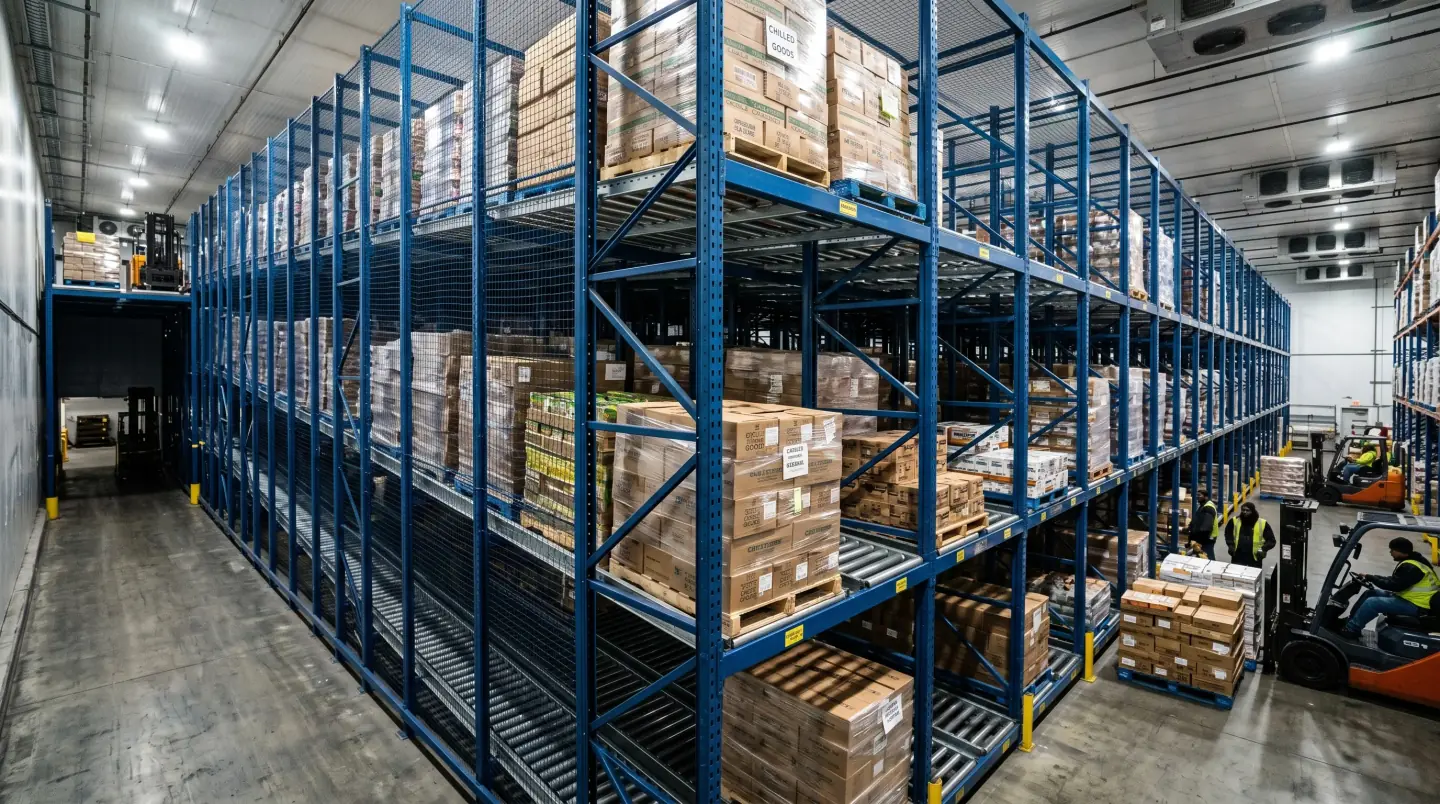
Pallet Flow Rack delivered and put up from Fort Bend County to Galveston Bay. Asking for a price costs nothing.
The basics
How Pallet Flow Rack earns its floor space
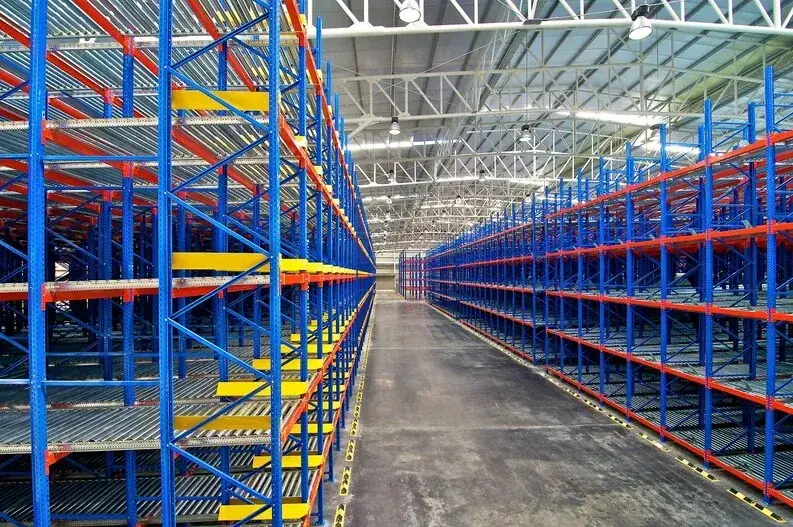
Pallet flow lanes are fed from the rear. A load goes in at the high end, rides a sloped bed of rollers toward the pick aisle, and lines up behind the loads already waiting there, so the oldest pallet is always the next one out. Brake rollers set along the lane keep the speed steady, and lanes can be designed anywhere from 2 to 20 positions deep. Since putaway happens in one aisle and picking in another, the two jobs never compete for the same floor. Around Houston, flow rack earns its keep in seafood and grocery cold storage, dairy and bakery, medical supply and beverage, anywhere code dates or lot order cannot be left to memory. H-Town Pallet Racking sizes each lane to your pallets and freight, then installs to the adopted local building code and RMI ANSI MH16.1-2023, with stamped drawings when the permit requires them.
- Oldest-first rotation with no reliance on operator habits
- Less truck travel and fewer traffic jams in a busy DC
- More loads per square foot than any rack short of automated storage
- Less truck labor per pallet than selective or pushback at high volume
Built in
Features that matter
- Lanes from 2 to 20 loads deep, sized to your velocity and SKU count
- Roller beds with speed-control brakes along the lane
- Dedicated load and pick aisles so trucks never cross
- Structural channel frames for deep, heavy lanes
- Built around GMA-style or heavier pallets
- Designed to the adopted local building code and RMI ANSI MH16.1-2023
- Stamped drawings available for Houston-area permit submittals
By the numbers
Pallet Flow Rack: specs
Typical specs
Load at the high end
A truck in the replenishment aisle sets each pallet at the back of the lane. The roller bed drops about 3 to 4 percent from back to front.
Gravity moves it along
The pallet rides steel rollers or wheel tracks toward the pick side. Brake rollers every few feet hold it to a walking pace.
Pick at the low end
Loads arrive in the order they went in, so the oldest pallet is always at the face. Rotation happens without anyone having to enforce it.
Good fit or not
Does it suit your building?
It makes sense when
- Product has to ship oldest-first: food, drink, medical or lot-tracked goods
- Lanes need more depth than pushback can offer
- Volume is high enough that splitting load and pick aisles saves real labor
- Each lane can hold one SKU from front to back
- You run a cold room and fewer aisles means less space to refrigerate
Look elsewhere when
- Newest-first is fine and money is tight; pushback costs noticeably less
- Your pallets vary in condition; flow lanes do not forgive broken boards
- Most openings hold different SKUs; stay with selective
- Product sits for long stretches and rotation rarely matters
Where it shows up
Who uses it around H-Town
Seafood and cold storage: Galveston, Texas City
Coastal processors and cold-storage operators move product with short shelf lives. Flow lanes keep the oldest cases at the face. Buildings this close to the Gulf also benefit from galvanized or coated components where salt air reaches the rack.
Grocery and fresh distribution: Sugar Land, Richmond
Fort Bend food distributors stage dairy, produce and protein that cannot wait behind newer loads. Lane depth is matched to how much of each SKU goes out per day.
Medical and lab supply: Webster, Friendswood
Suppliers around Clear Lake that ship lot-controlled goods use flow lanes so a newer lot physically cannot leave ahead of an older one.
Beverage: Missouri City, Alvin
Drink distributors rotate dated product at high volume. Flow rack keeps rotation correct without relying on whoever is driving the truck that shift.
Imported food through Port Freeport: Freeport, Alvin
Food arriving by ship often lands in single-SKU lots with fixed dates. Flow lanes sized to container volumes keep that stock moving in order.
Asked and answered
Questions about Pallet Flow Rack
1 How many loads deep can a pallet flow lane run?
Designs range from 2 to 20. Food and medical users tend to land somewhere between 8 and 15, matched to how much of a SKU leaves per shipping cycle. Past 15, pallet consistency becomes critical, because one cracked stringer can stop the whole lane until someone clears it.
2 What kind of pallets does flow rack need?
Sound four-way GMA-style pallets are the starting point. Loose boards, split lead edges and warped decks catch on rollers and cause stoppages. If you cannot keep pallet quality consistent, pushback or selective will be far more forgiving.
3 Can one flow lane hold more than one SKU?
It can, but loads come out in the order they went in, so mixing SKUs throws away the main benefit. Nearly every installation dedicates each lane to a single SKU and sets the depth to that item’s typical outbound volume.
4 How quickly do pallets travel down the lane?
Brake rollers hold loads to about a foot per second, and more brakes are added as the lane gets longer. In a 15-deep lane a pallet usually reaches the pick face in well under a minute, slow enough to be safe and quick enough for production.
5 Pallet flow or drive-in: which fits?
Drive-in reaches similar density for considerably less money, but it can only rotate newest-first and trucks drive into the rack. Flow rack costs more and needs better pallets, yet it rotates oldest-first by itself, keeps trucks outside the structure and splits loading from picking. In practice the decision comes down to whether your product must ship oldest-first.
6 How does pallet flow pay for itself?
It carries the highest price per opening of the common rack types, so the return comes from labor and product loss. Nobody has to police rotation, trucks travel far less with separate aisles, and fewer cases expire on the shelf. For cold-chain and medical distributors those savings are usually what justify the purchase.
7 Why does pallet flow cost more than other rack?
The roller beds and braking hardware are what drive the price, which is why flow rack sits at the top of the per-opening scale. We choose lane depth and roller style after looking at your pallets and freight, so the quote reflects what you actually ship rather than a generic lane.
Compare
The other systems
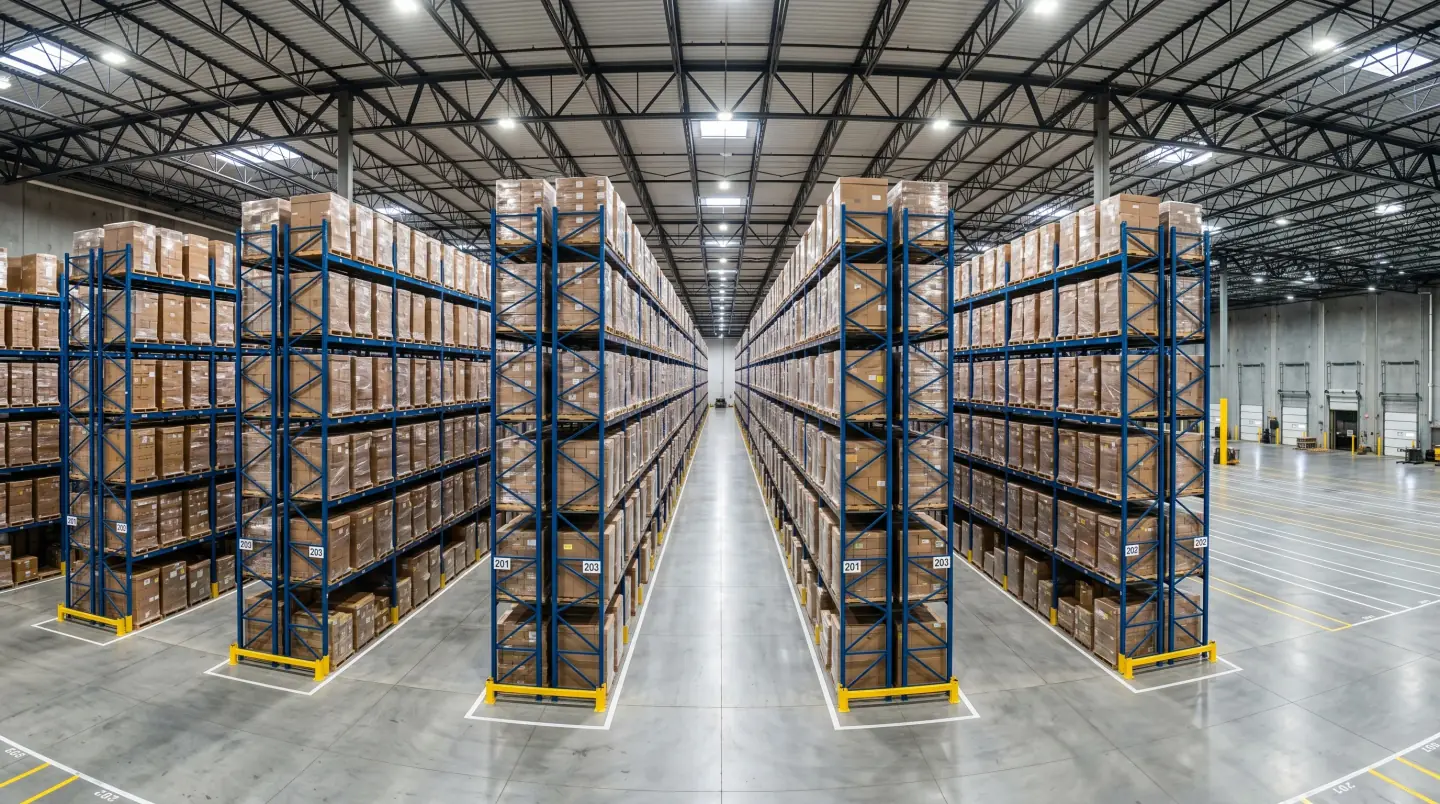
Pallet Racking & Shelving
Details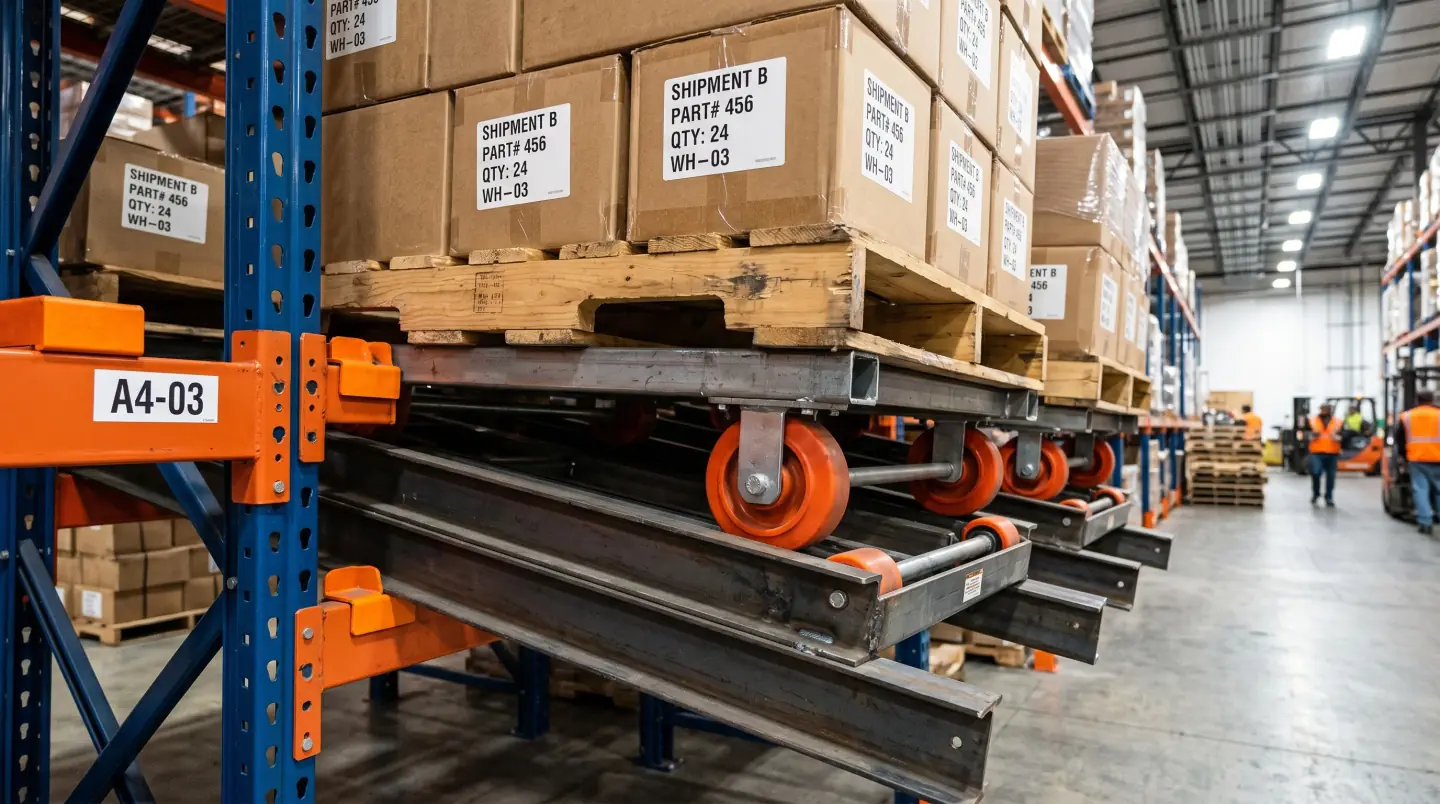
Pushback Rack
Details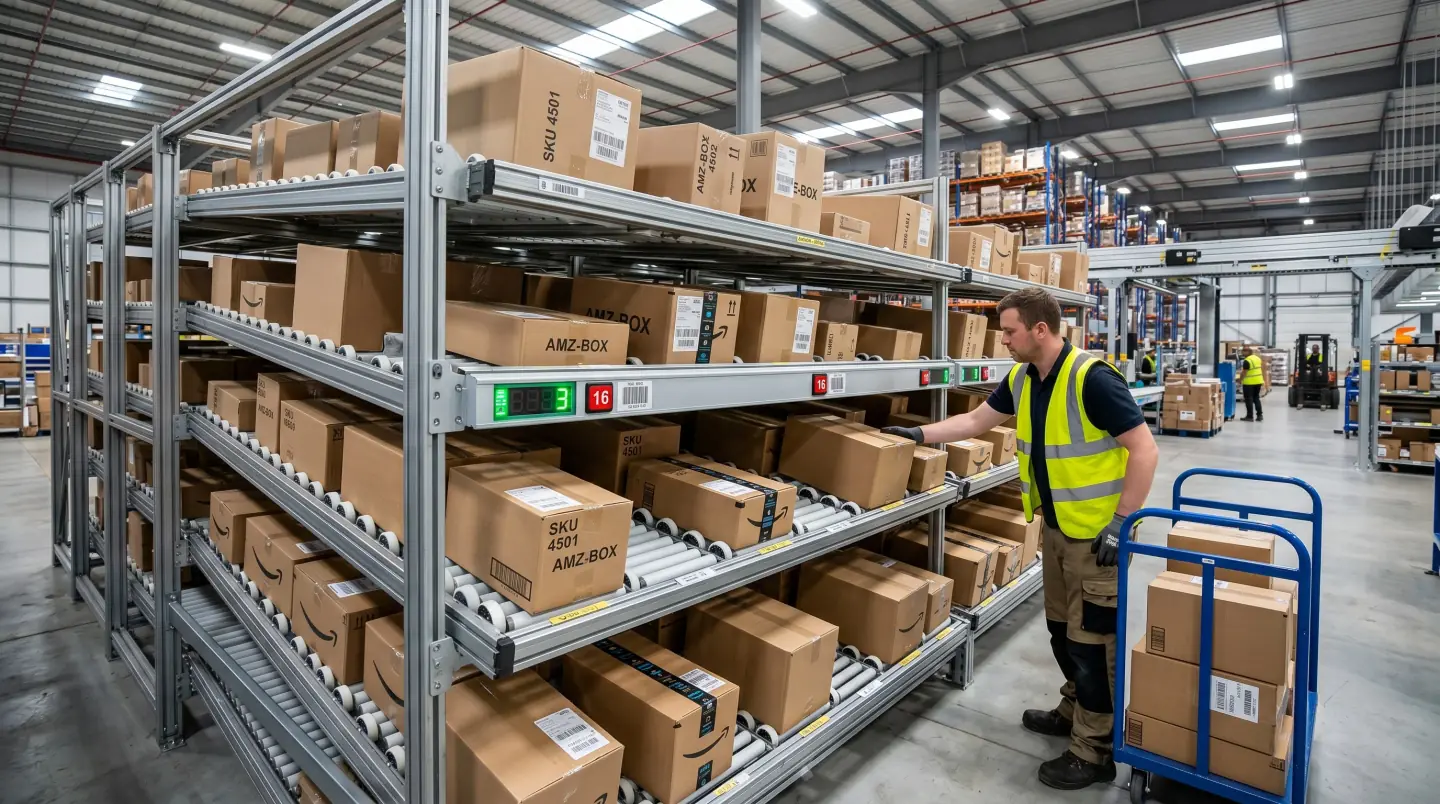
Carton Flow Rack
Details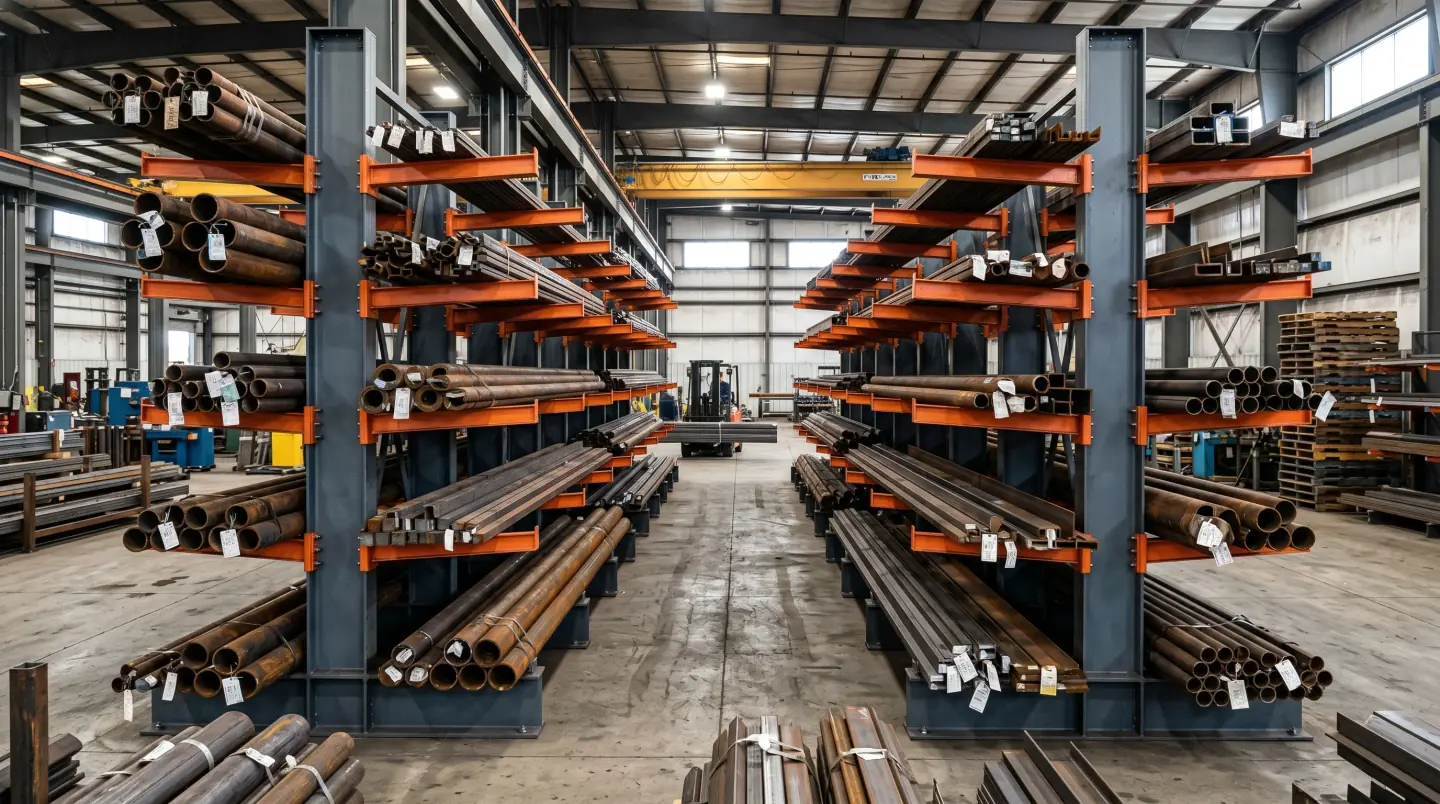
Cantilever Rack
DetailsOur fifteen towns
Pallet Flow Rack around H-Town
We handle pallet flow rack in fifteen towns around Houston, spread across Fort Bend, Brazoria, Montgomery, Galveston, Chambers and Harris counties. Each town page covers who reviews permits there, the usual building heights and the kinds of businesses we rack.
- Sugar Land, TX Pallet Flow Rack
- Missouri City, TX Pallet Flow Rack
- Richmond, TX Pallet Flow Rack
- Fulshear, TX Pallet Flow Rack
- Alvin, TX Pallet Flow Rack
- Freeport, TX Pallet Flow Rack
- The Woodlands, TX Pallet Flow Rack
- Magnolia, TX Pallet Flow Rack
- Channelview, TX Pallet Flow Rack
- Mont Belvieu, TX Pallet Flow Rack
- League City, TX Pallet Flow Rack
- Friendswood, TX Pallet Flow Rack
- Webster, TX Pallet Flow Rack
- Texas City, TX Pallet Flow Rack
- Galveston, TX Pallet Flow Rack